Supporting your child's transition from the classroom to the home by easing the pressure.
What is the 2-Hour Rule?
The 2-Hour Rule focuses on reducing unnecessary pressure and demands during the first two hours of the afternoon. It is designed to help children decompress after a long day of intense self-control and focus at school. For the first two hours after school, don’t ask for anything.
Not homework. Not “how was your day”. “Not chores, not even a full conversation if they’re not offering one. These two hours belong to decompression, not demands.
• A Decompression Window: A dedicated low-demand period right after school, helping children ease back into the home environment safely.
• A Nervous System Reset: Allows recovery from after-school restraint collapse—the emotional meltdown that happens when kids finally feel safe enough to release built-up tension.
• A Pause on Big Questions: A deliberate choice by parents to avoid demanding questions like "How was school?" or rushing straight into homework, protecting taxed brain power.
Some children spend their entire school day masking, holding still when their body wants to move, filtering every impulsive thought, managing sensory inputs, performing fine for six hours straight. By the end of the school day the tank isn’t low, it is empty. Asking for anything more , even something small, is asking a depleted nervous system for a resource it simply doesn't have left.
The 2 hour rule isn't about lowering expectations forever. It's about sequencing them correctly.
Here is how to implement it at home:
• Stay Calm and Present: Greet them warmly with a hug and offer a soothing, low-demand presence rather than jumping into lectures or chores.
• Feed Them First: Offer a high-protein snack and water immediately when they get in, without waiting for them to ask.
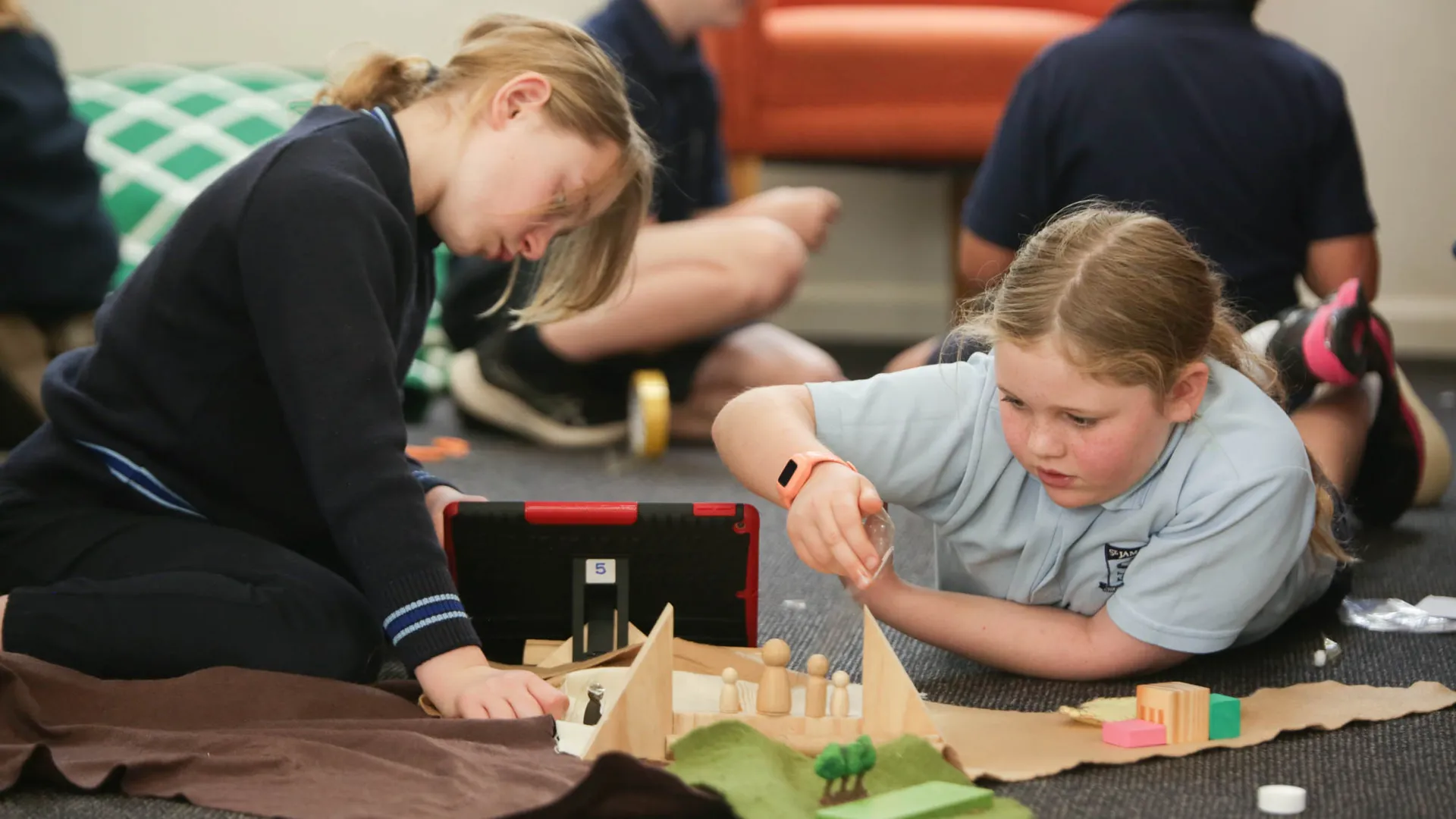
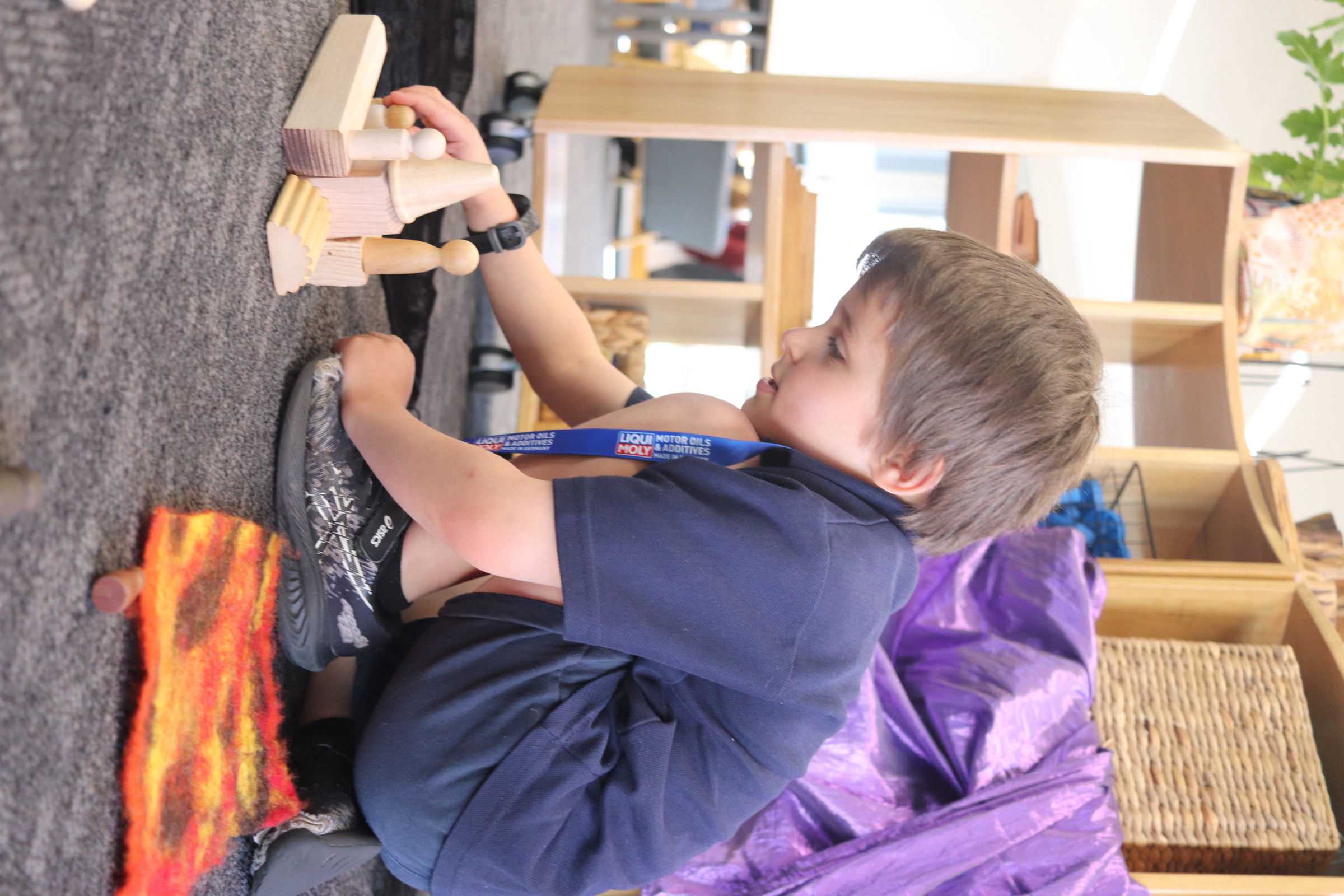
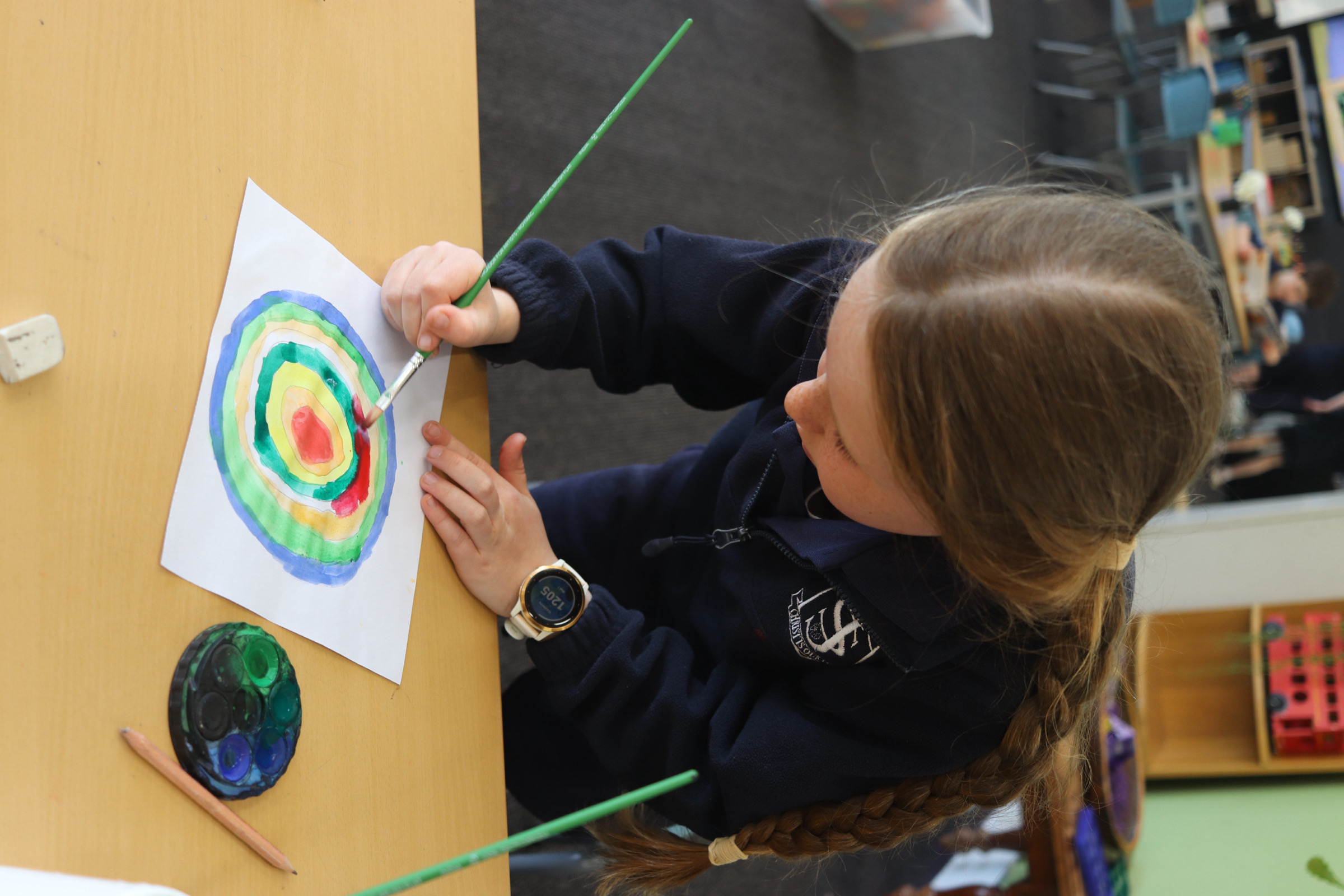
• Low Demand Time: Allow time to sit in silence, read, color, or play quietly without immediate instructions or conversation, Use mild physical activity or "heavy work" (like jumping or carrying light groceries) to help physically discharge stored tension.
• Check in Time: The question “How was your day?” isn’t really equipped to uncover the details, curiosities and little moments of astonishment that actually make up our days.
When we ask this of our children, grandchildren, partners or friends, we often unintentionally invite them to reduce an entire day of experiences into one simple response: good, bad, fine, wonderful, sad or the familiar, “I can’t remember.”
Perhaps the problem isn’t that they have nothing to tell us. Maybe we just need to ask better questions.
Instead of “How was your day?”, we might ask:
What made you laugh today?
What surprised you?
When did you feel proud of yourself?
What was tricky?
Who did you enjoy spending time with?
Did anyone do something kind for you?
What was something interesting you noticed?
Was there a moment you wished had gone differently?
What are you looking forward to tomorrow?
Of course, you don't need to ask all twelve!!