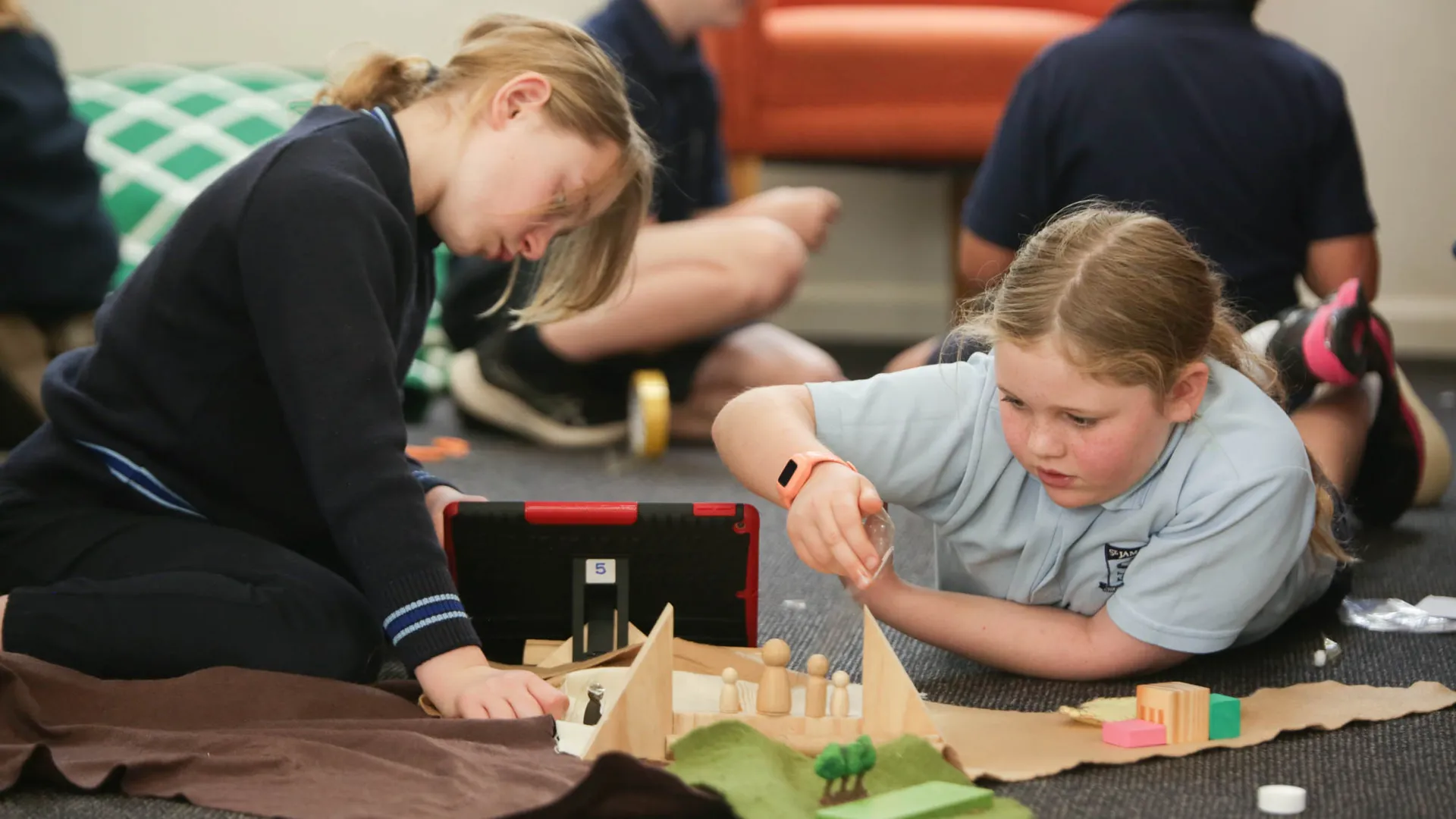
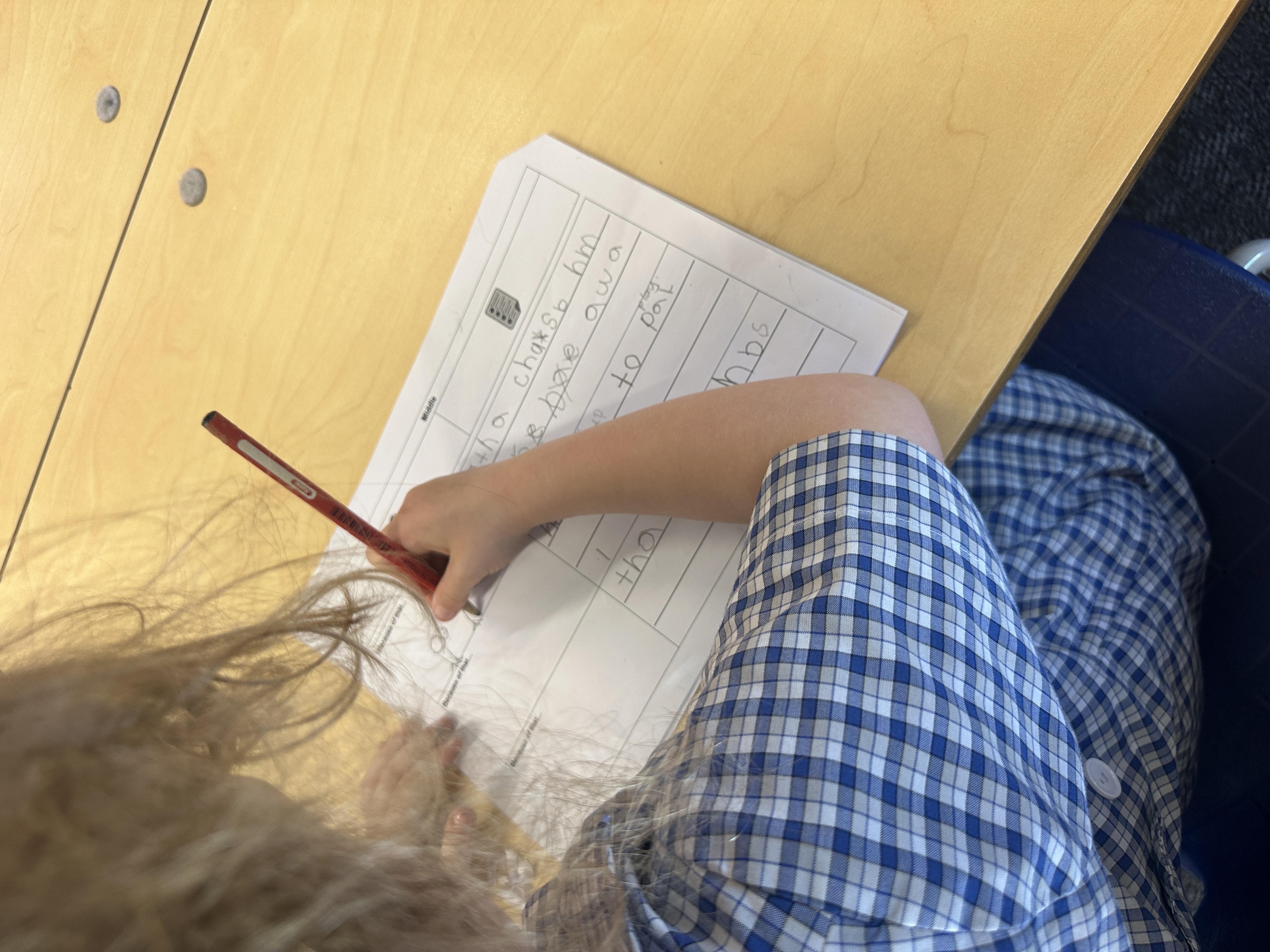
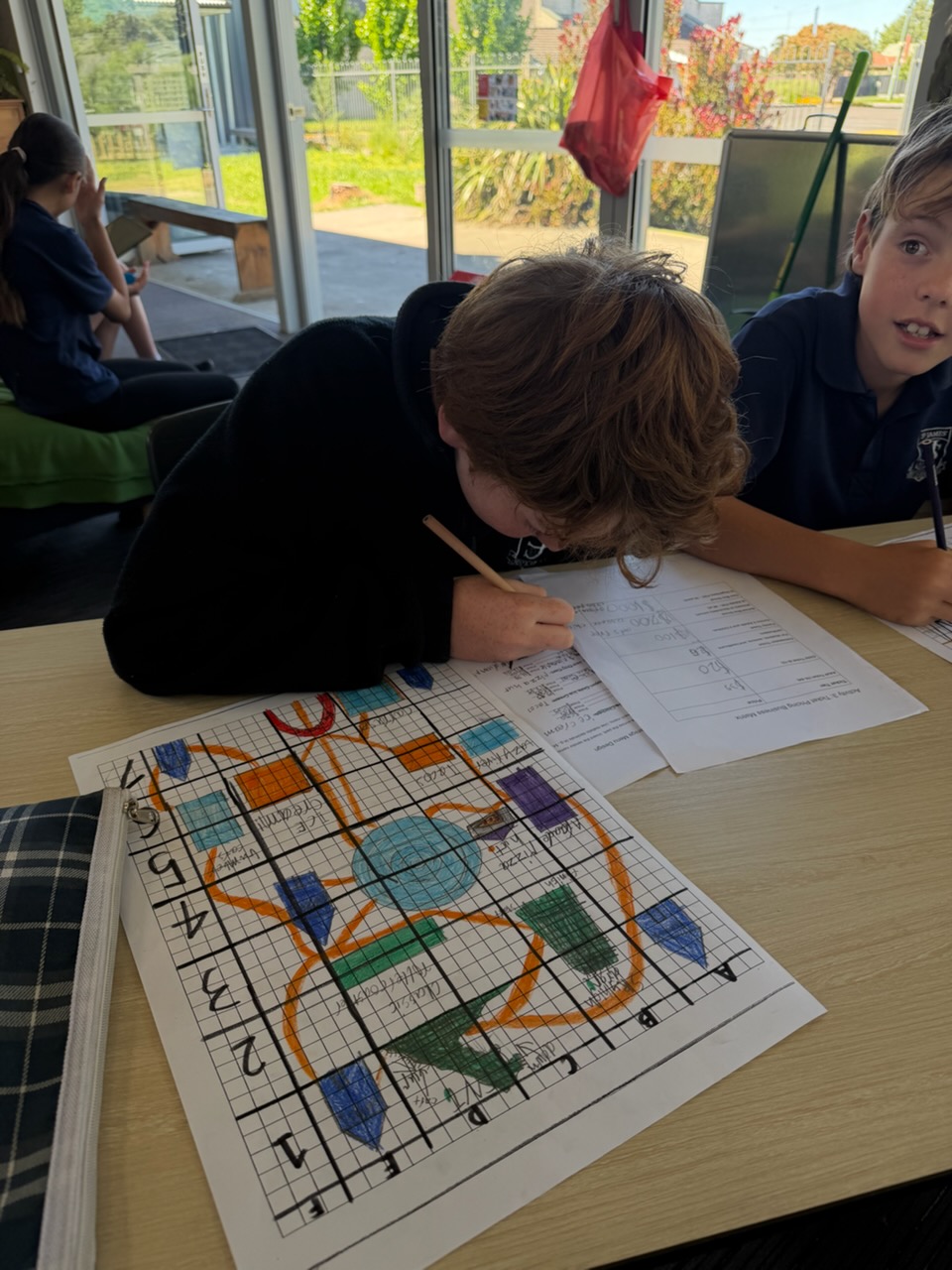
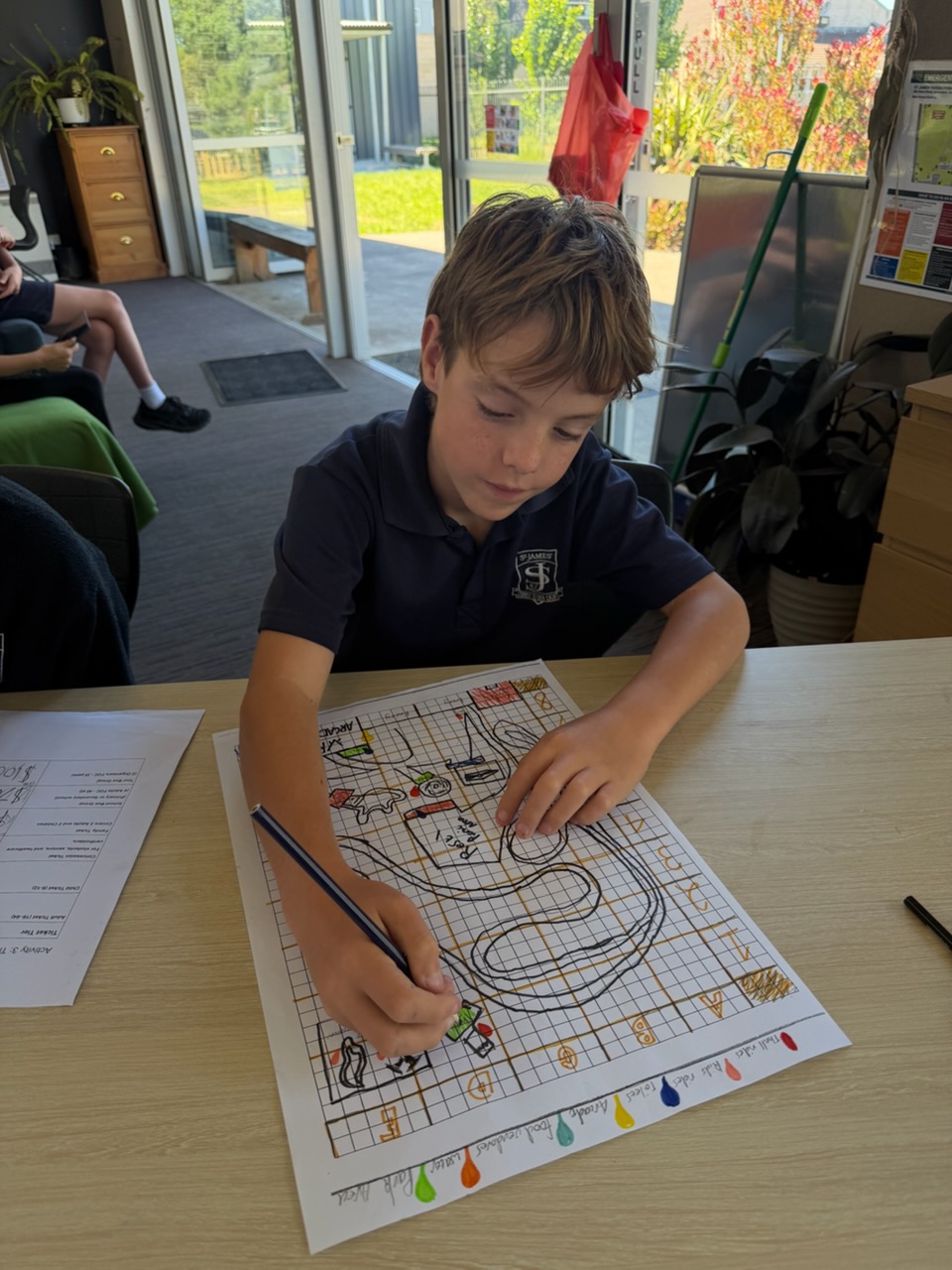
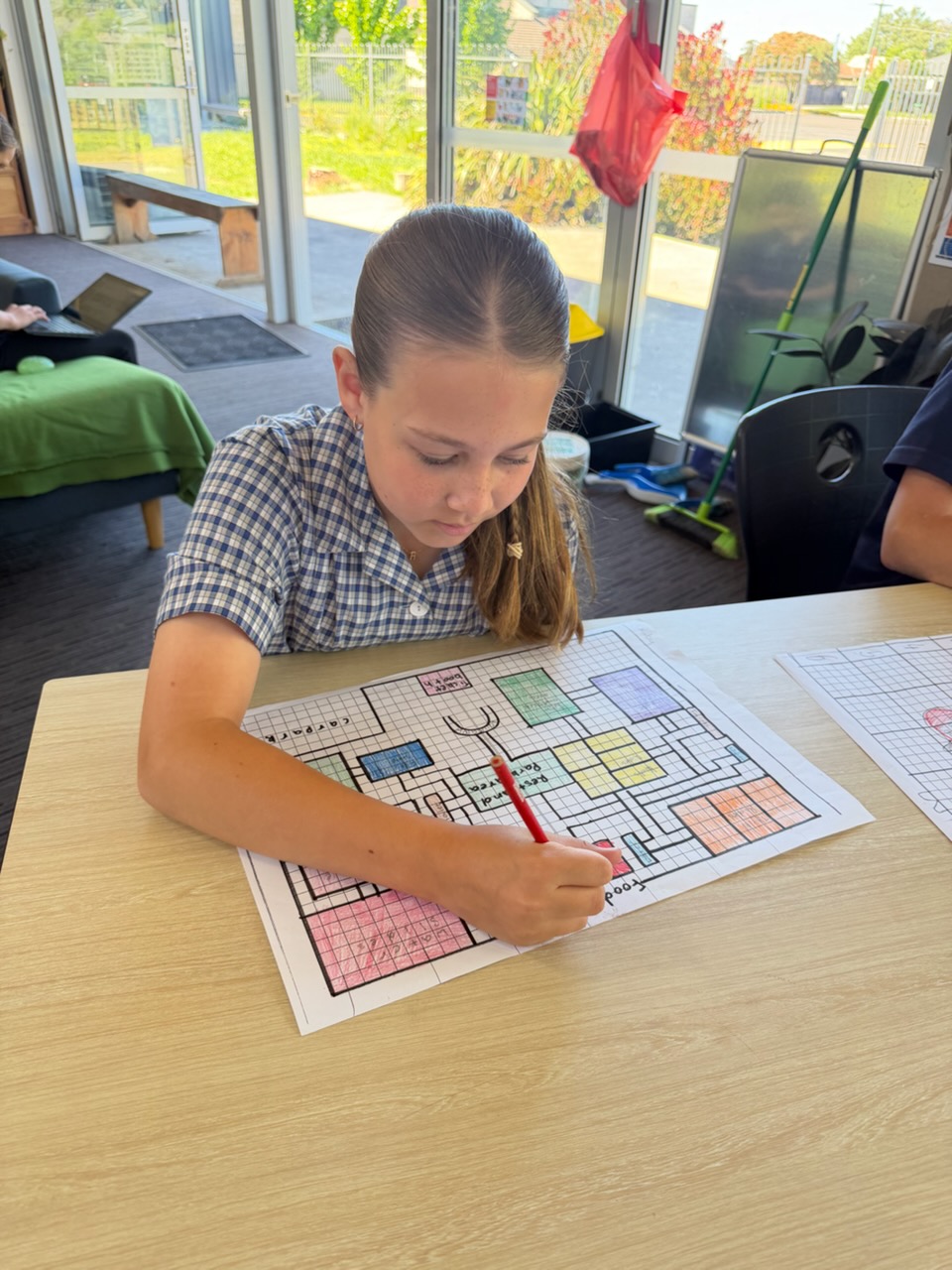
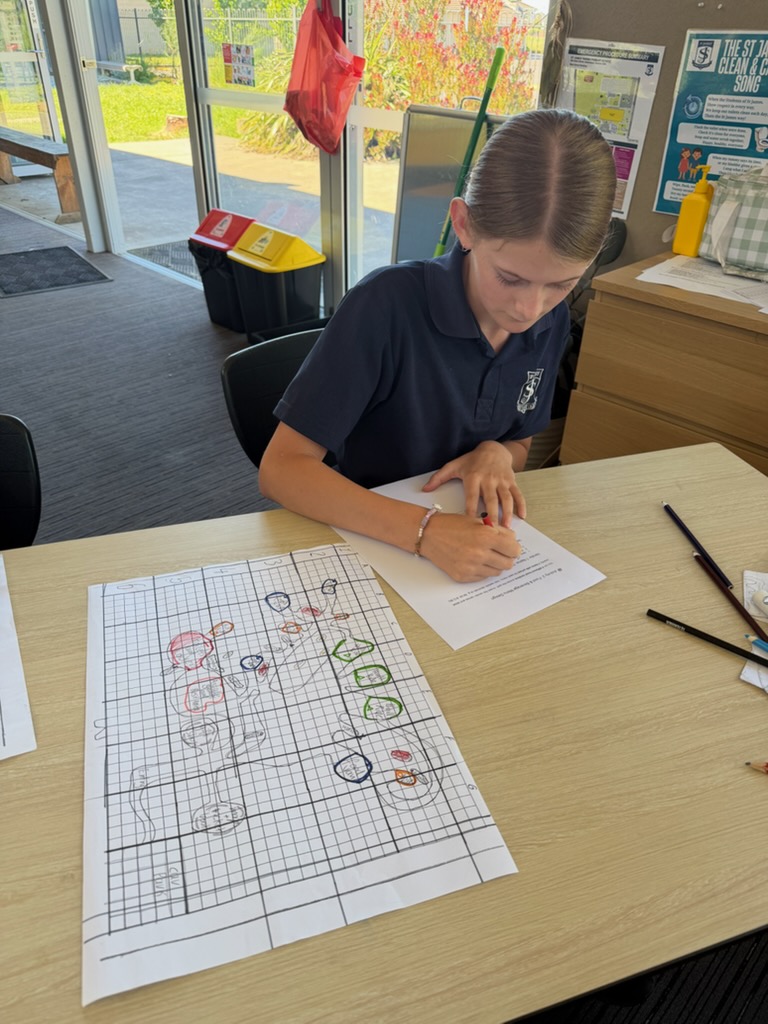
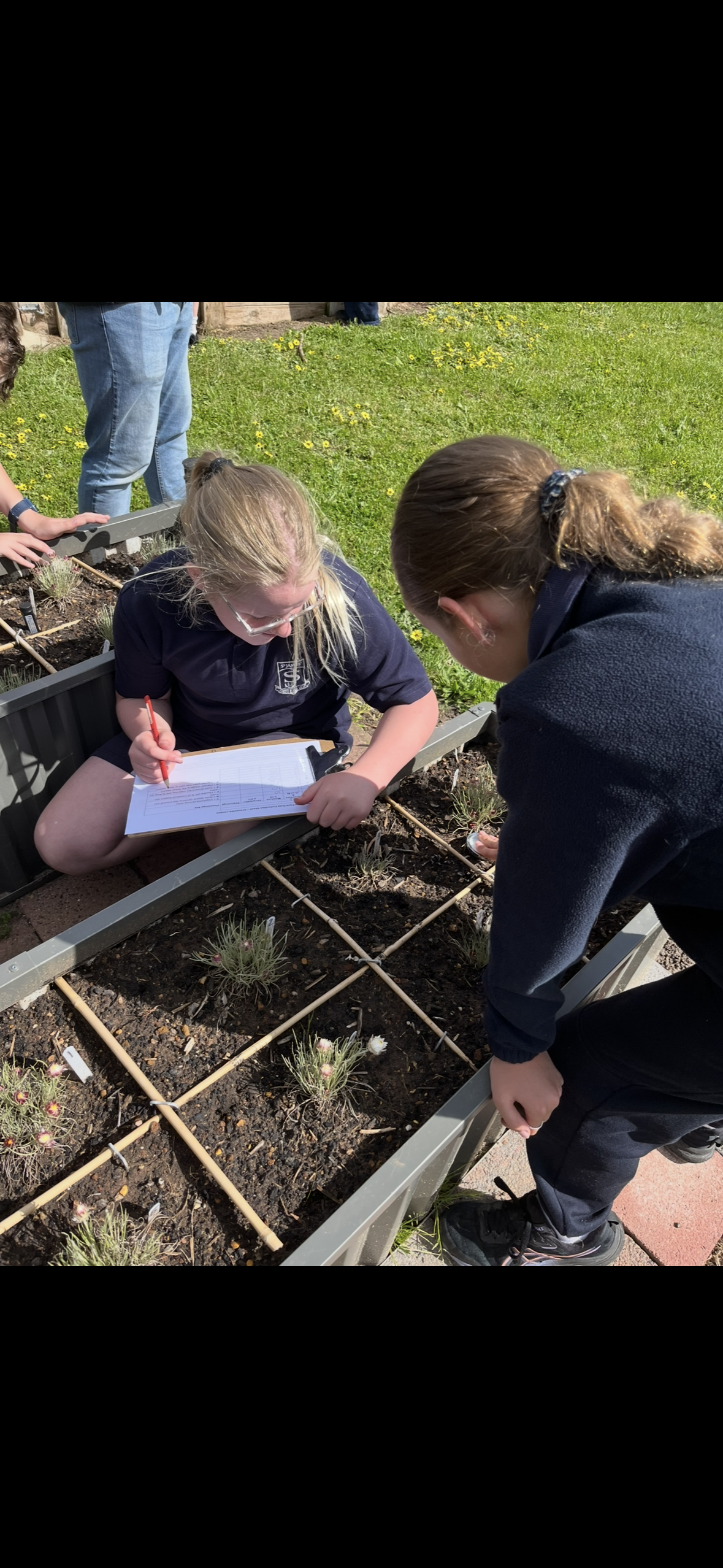
As parents and educators, we naturally want to help our children. However, sometimes the best way to build confidence and independence is to step back and give them opportunities to have a go themselves.
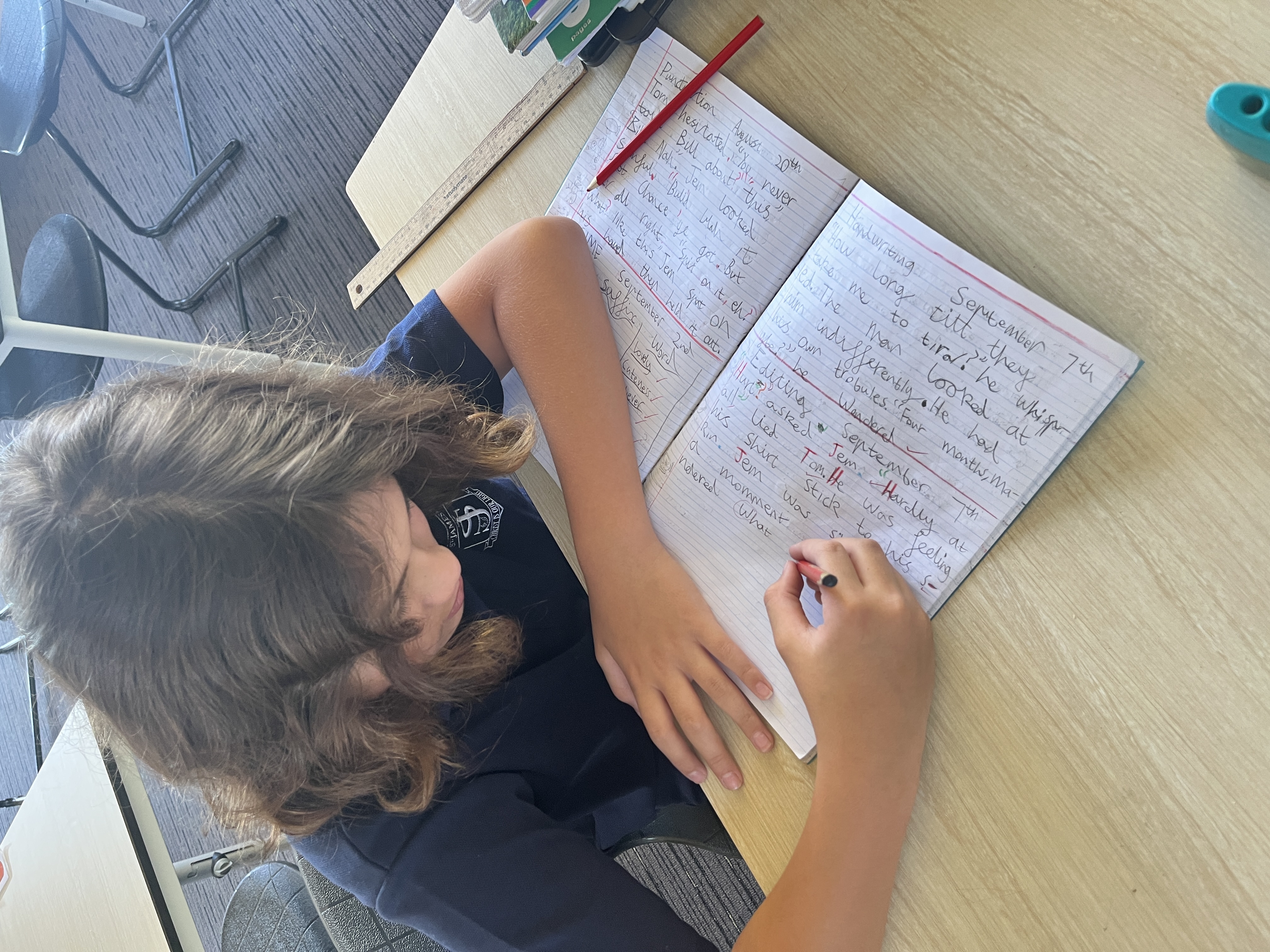
During the primary years, children are developing important skills such as organisation, responsibility, problem-solving, resilience and persistence. These skills grow through everyday experiences—trying, making mistakes, solving problems and experiencing success.
As Term 4 draws to a close, this is the perfect time to encourage greater independence as our children prepare to transition into a new year of learning. Whether moving into a new classroom, taking on new responsibilities or preparing for secondary school, developing independence now can help children approach these changes with confidence.
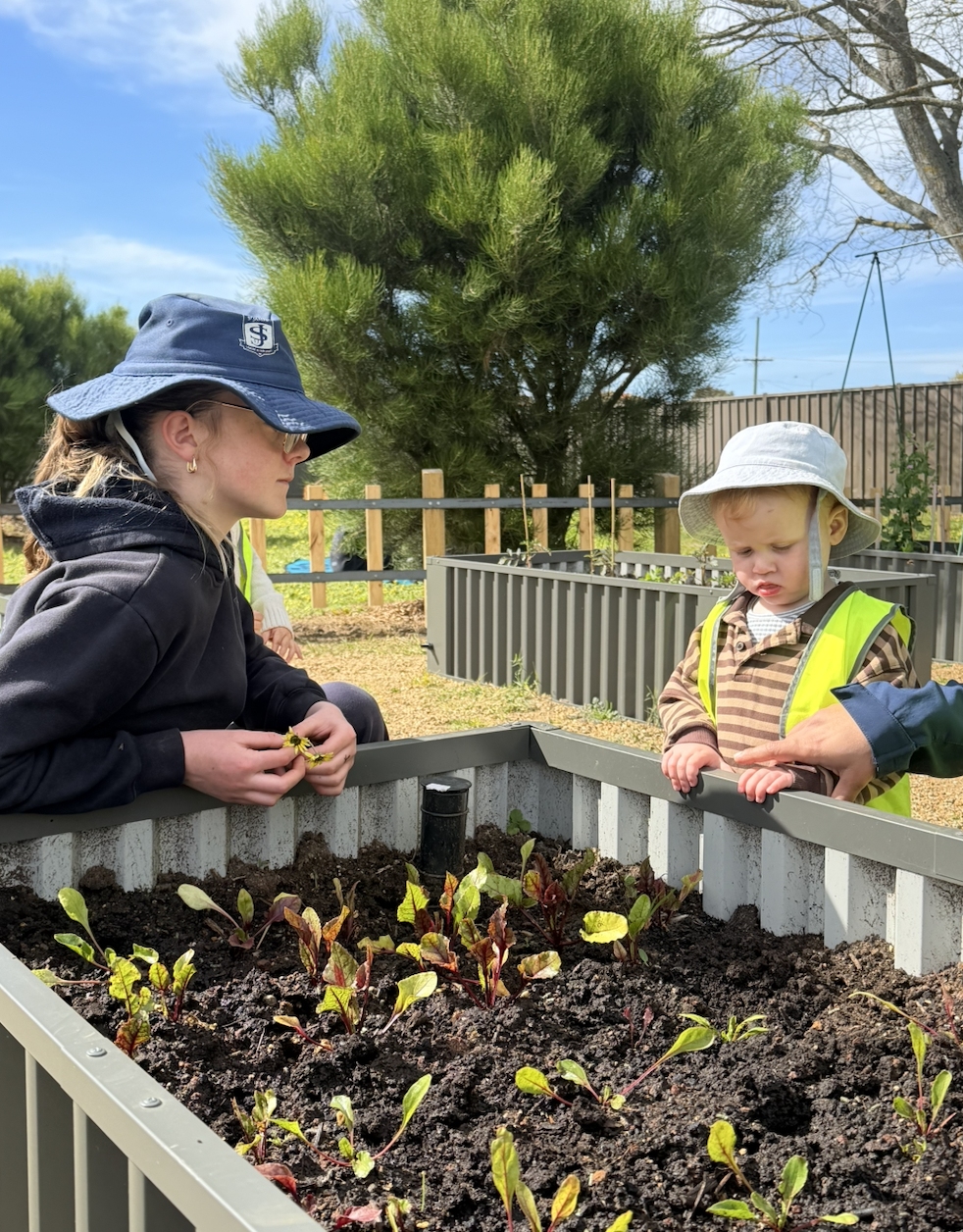
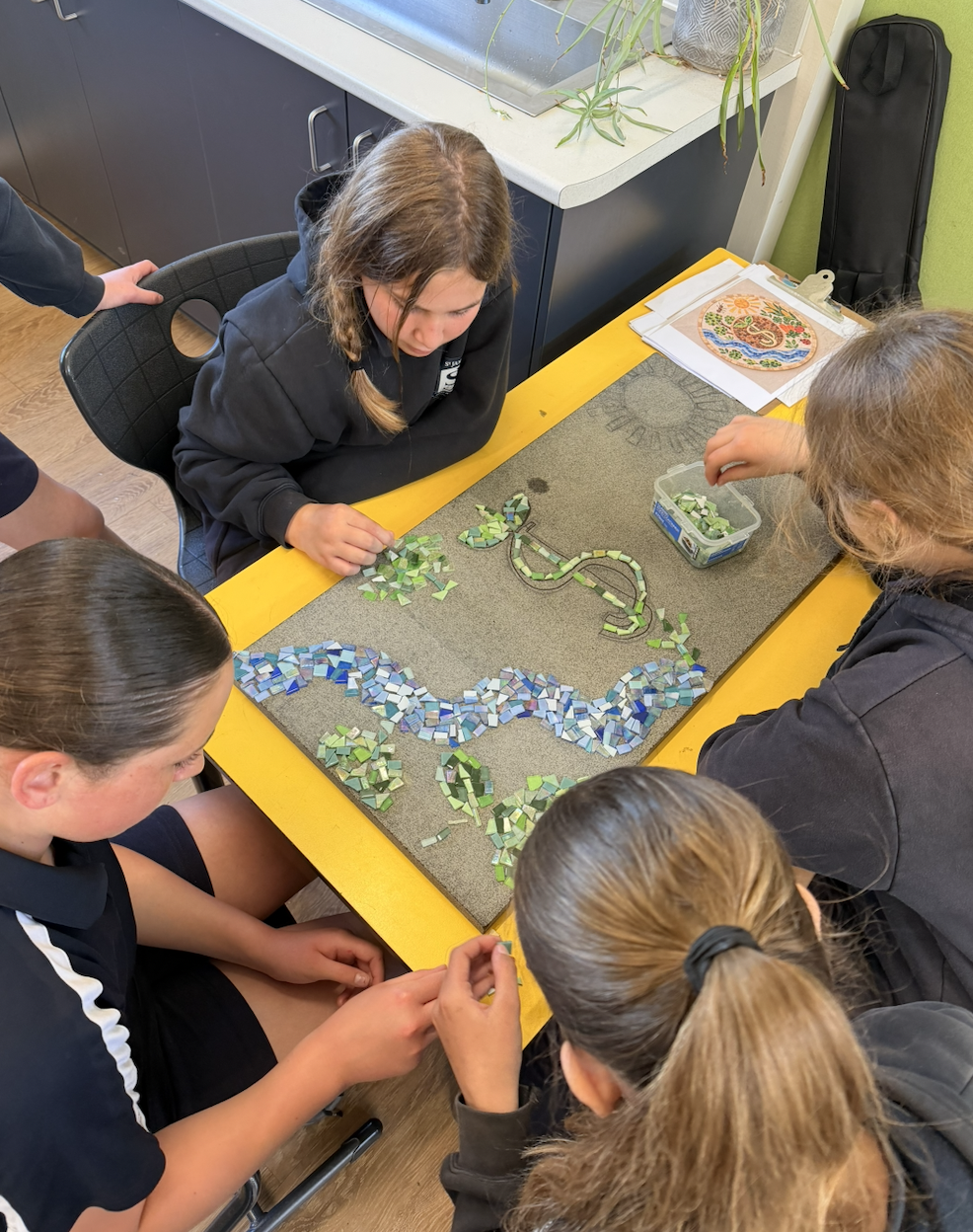
At home and school, we can encourage independence by asking children to pack and carry their own school bag, organise their belongings, complete age-appropriate jobs and try solving problems before an adult steps in. Rather than immediately providing an answer, try asking, “What could you try?”
Some simple ways to encourage independence RIGHT NOW
School bags and belongings: Encourage your child to pack and unpack their own bag, carry their belongings and remember their lunchbox, drink bottle and jumper.
Morning routines: Support your child to get dressed, organise their belongings and prepare for the school day with increasing independence.
Problem-solving: Rather than immediately providing the answer, ask, "What do you think you could try?" or "How might you solve that?"
Taking responsibility: Give children age-appropriate jobs at home, such as making their bed, setting the table or organising their school uniform.
Learning from mistakes: Allow children to experience small, manageable challenges. Forgetting something, making an error or needing to try again can be a valuable learning opportunity.
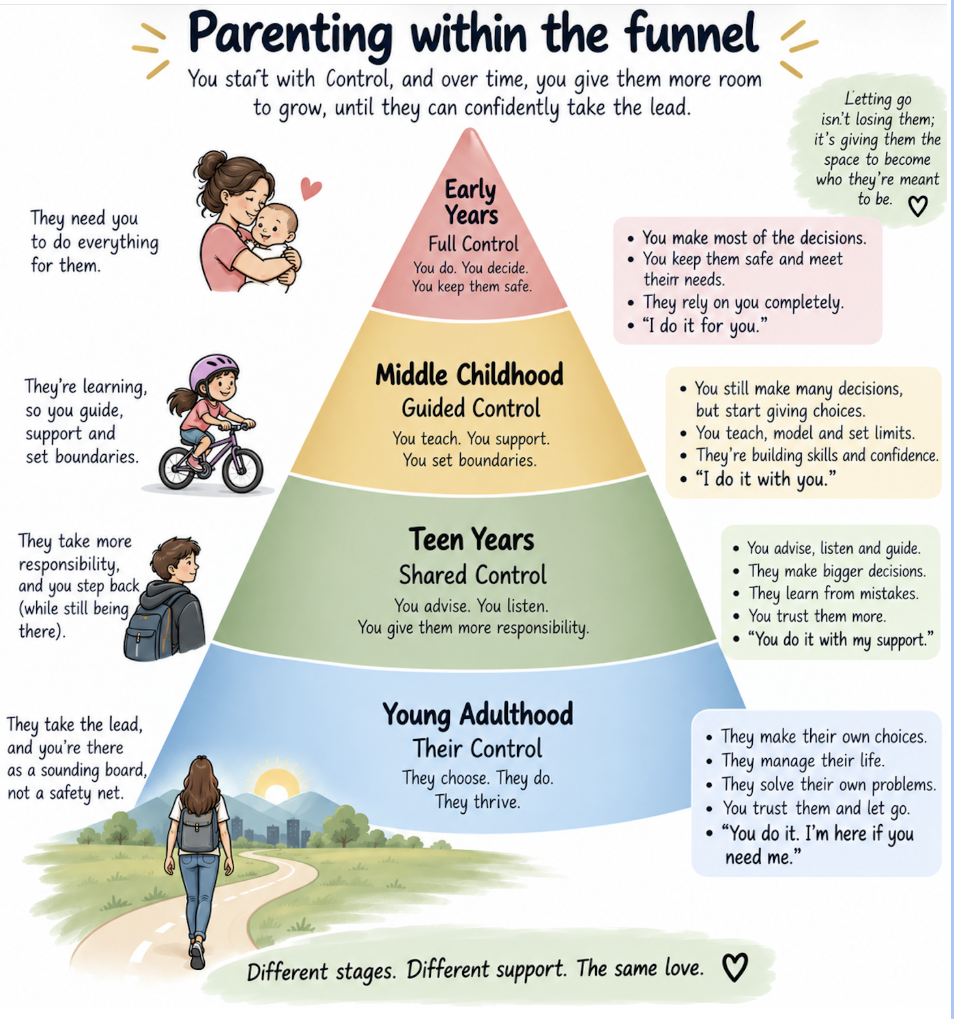
Independence does not mean removing support. Some children need modelling, reminders, encouragement or additional adjustments. The goal is to provide the right amount of support and gradually step back as confidence grows.
A useful question for us as adults is:
“Am I doing something for my child that they are capable of learning to do themselves?”
The upcoming holiday period provides a wonderful opportunity to continue developing these skills at home. Simple everyday experiences, such as helping with household jobs, preparing for outings, managing personal belongings and making age-appropriate decisions, all contribute to growing independence. Encouraging children to take responsibility, work through challenges and have a go for themselves will help prepare them for the opportunities and expectations of the new school year.
As we look towards a new school year, let's give our children the time, space and encouragement to take those next steps. Small opportunities for independence today build capable, resilient and confident young people for tomorrow.
Different stages. Different support. The same care and encouragement.